industrial packaging materials
Industrial packaging materials play a crucial role in protecting products throughout manufacturing, storage, transportation, and distribution. They are designed to safeguard goods from physical damage, moisture, contamination, temperature changes, and handling risks, while also supporting efficient logistics and regulatory compliance.One of the most common industrial packaging materials is corrugated cardboard. It combines strength, low weight, and cost‑effectiveness, making it ideal for shipping cartons, bulk boxes, and protective inserts. Its layered structure provides cushioning and compression resistance, while being relatively easy to recycle. For heavier or high‑value items, wooden crates and pallets are widely used. Wood offers excellent load‑bearing capacity and rigidity, suitable for machinery, automotive parts, and fragile equipment. It can be customized to fit specific product dimensions and is compatible with global transport systems such as forklifts and pallet jacks.Plastics are another key category. Polyethylene and polypropylene films are used for stretch wrap, shrink wrap, and liners that secure palletized loads and protect products from dust and moisture. Heavy‑duty plastic bags, sacks, and flexible intermediate bulk containers (FIBCs or bulk bags) are commonly used for powders, granules, and chemicals. Rigid plastics such as drums, pails, and intermediate bulk containers (IBCs) provide secure storage for liquids and hazardous materials, often meeting strict safety and transportation standards.Metal packaging materials, including steel and aluminum, are preferred where high strength, durability, or barrier properties are required. Steel drums, kegs, and containers are used extensively in chemicals, lubricants, and oil and gas industries. Metal offers excellent resistance to impact and puncture, and can withstand rough handling and stacking. For sensitive products, metal foils and laminates are applied as barrier layers to block oxygen, light, and moisture, extending shelf life and preserving product quality.Protective materials such as foams, molded pulp, edge protectors, and cushioning pads are used inside outer containers to prevent shock and vibration damage. Foam inserts, for example, are tailored to electronic devices, precision instruments, and medical equipment. These materials ensure that products remain stable during transit and arrive in working condition.Environmental considerations increasingly influence material selection. There is growing demand for recyclable, reusable, and biodegradable solutions. Paper‑based and molded fiber packaging, returnable plastic containers, and redesigned lightweight structures aim to reduce material consumption, waste, and carbon footprint. At the same time, packaging must remain compliant with regulations related to hazardous goods, food contact, and traceability, often requiring specific labeling, documentation, and performance testing.Overall, industrial packaging materials are selected based on product characteristics, transportation mode, storage conditions, and sustainability goals. By combining strength, protection, efficiency, and environmental responsibility, they form an essential component of modern industrial supply chains.
نتاج
تصنيف:
Packaging Materials
-
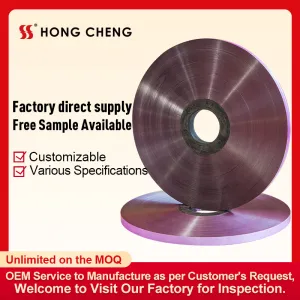
3Aluminum foil for Cable shielding AL+OPE(Single side pink color)
تصنيفها: Cable Aluminum Foilالمشاهدات: 13عدد:وقت الإصدار: 2026-03-19 15:07:29 -
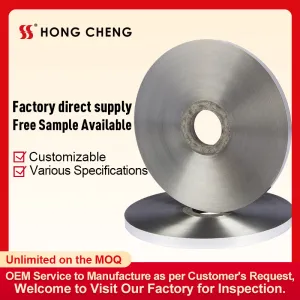
Aluminum foil for Cable shielding AL+PET(Single side silver color)
تصنيفها: Cable Aluminum Foilالمشاهدات: 13عدد:وقت الإصدار: 2026-03-19 15:19:36 -
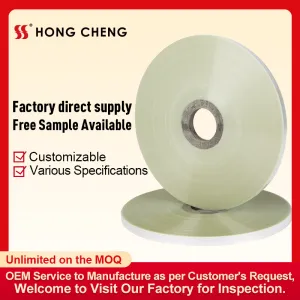
PET Polyester film for Cable (Transparent)
تصنيفها: Cable Aluminum Foilالمشاهدات: 23عدد:وقت الإصدار: 2026-03-19 15:25:30 -
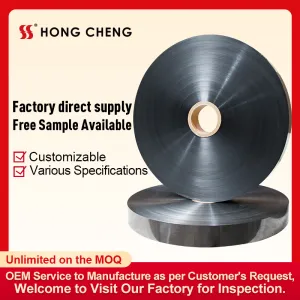
Black glue foil PET+HDPE+VMPET
تصنيفها: Duct Aluminum Foilالمشاهدات: 15عدد:وقت الإصدار: 2026-03-19 15:40:24 -
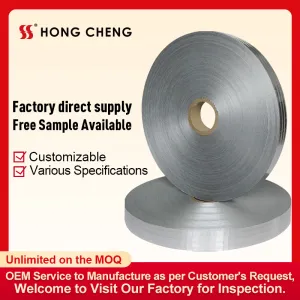
Fiber glass mesh Foil
تصنيفها: Duct Aluminum Foilالمشاهدات: 18عدد:وقت الإصدار: 2026-03-19 15:48:06 -
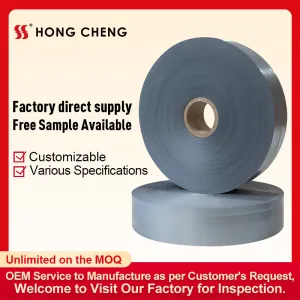
-
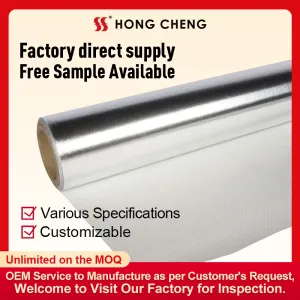
Aluminum lamineted with fiberglass cloth AL+fiberglass cloth
تصنيفها: Packaging Materialsالمشاهدات: 8عدد:وقت الإصدار: 2026-03-19 16:20:21 -
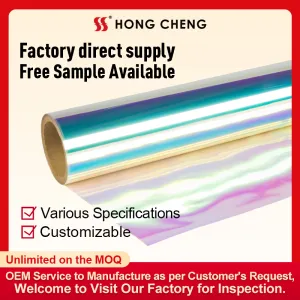
PET Multicolor+PET Multicolor PET lamainated film
تصنيفها: Packaging Materialsالمشاهدات: 11عدد:وقت الإصدار: 2026-03-19 16:40:41 -
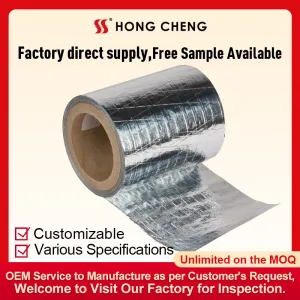
Rhombus Reinforced Aluminum foil VMPET+FIBER MESH+PET
تصنيفها: Thermal Insulation Materialsالمشاهدات: 10عدد:وقت الإصدار: 2026-03-19 17:04:53 -
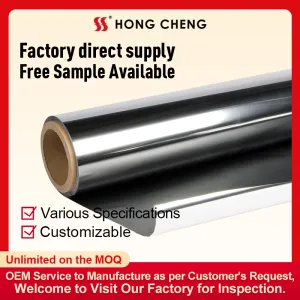
VMPET+VMPET+BOPP Laminated Metalized films with Matte black printing
تصنيفها: Thermal Insulation Materialsالمشاهدات: 29عدد:وقت الإصدار: 2026-03-19 17:18:10
أخبار
تصنيف:
لا توجد نتائج بحث!
حالة
تصنيف:
لا توجد نتائج بحث!
فيديو
تصنيف:
لا توجد نتائج بحث!
تحميل
تصنيف:
لا توجد نتائج بحث!
تجنيد
تصنيف:
لا توجد نتائج بحث!
المنتجات الموصى بها
لا توجد نتائج بحث!